


Tiny territory, lofty goals: Curaçao undeterred in World Cup quest
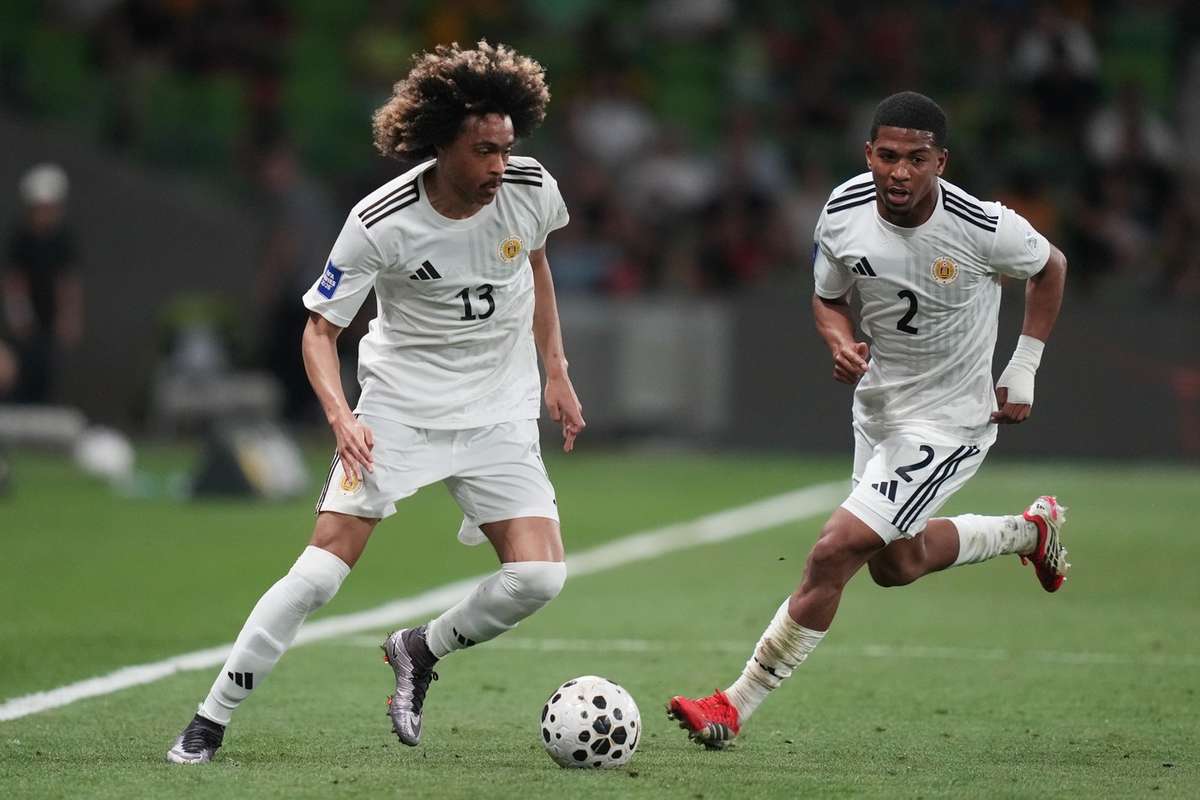
Ever since Curaçao secured their place with a gritty 0-0 stalemate against Jamaica back in November, the 160000 residents of this Dutch outpost, celebrated for its iconic blue liqueur, have been basking in the surge of the Blue Wave, the moniker for their national squad.
This achievement is set to enhance tourism on the idyllic spot boasting pristine white beaches, which welcomed 1.5 million tourists in the previous year.
Arrivals had already risen by 13 per cent during the opening quarter of the year.
"Football is placing us firmly on the world stage," declared Prime Minister Gilmar Pisas, a one-time player himself, to AFP, foreseeing a surge in visitors.
Away from the upscale waterfront resorts and the Caribbean liners that anchor in the capital Willemstad's harbour, a bunch of youngsters are playing football on a dusty field in the modest Fuik area.
These lads belong to a youth initiative for those from disadvantaged homes, founded by ex-Dutch-Curaçaoan coach Remko Bicentini, who once plied his trade professionally in the Netherlands and later guided Curaçao's team.
At the entrance, an inspiring phrase in Papiamento, the local creole used across the Dutch Caribbean isles of Aruba, Bonaire, and Curaçao, urges youngsters to seize control of their paths.
"You hold the reins to your tomorrow," it states.
Key contributions from the diaspora
"When you visit Curaçao for a break, you notice the shores and it all seems flawless," Bicentini remarked. "Yet there are zones where folks in poverty reside."
"Plenty of households raise three, four, or five kids yet lack funds. We assist when food runs short," he explained.
Neveron Alberto, among his promising pupils, aspires to join the senior national side, though the path to making the cut is fraught with challenges for homegrown talents.
Curaçao's World Cup appearance stems wholly from its community abroad, conceded Gilbert Martina, head of the island's football body.
"Every member of the national squad competes in overseas competitions," he noted.
The sole player hailing from Curaçao, Tahith Chong, relocated to the Netherlands aged 13.
Nevertheless, the sport is gaining traction on an island long devoted to baseball.
Martina, the federation chief, anticipates the global event will expand the current 3500 to 4000 official club members among locals.
Arguably the best-known figure from Curaçao is ex-Ajax and Barcelona forward Patrick Kluivert, son of a Surinamese dad who represented that South American nation and a Curaçaoan mum.
The ex-striker shared with AFP that he felt "immensely pleased" regarding Curaçao's progress.
"Having the island at the World Cup is incredible," he commented.
"Back in my era, football wasn't huge here, but these athletes have raised Curaçao's profile. It matters for what's ahead, for the young ones coming up," Kluivert added, having managed the Curaçaoan outfit from 2015 to 2016.
Germany, brace yourselves!
Curaçao finds itself grouped with Ecuador, Ivory Coast, and the four-time champions Germany in Group E, among the tournament's sternest challenges.
Ex-Argentine standout Claudio Caniggia, who visited Curaçao for a legends' event featuring Ronaldinho, Kluivert, Dutchman Wesley Sneijder, and Italian Marco Materazzi, foresaw the World Cup inspiring local youth and sparking fresh stars.
"Advancing past the group stage would be remarkable," he opined, pointing out that initial rounds often yield upsets.
The enthusiasm gripping the island has reached the authorised supporter outlet, where residents and visitors vie for Curaçao's blue shirts, hats, and shawls.
While processing purchases, 21-year-old till operator Rovien Petronilia is convinced that the underdogs from Curaçao will shock the elite.
"Germany's in for a defeat from us!" he forecasted.