


Inside Barcelona's Camp Nou chaos: What is happening and why?
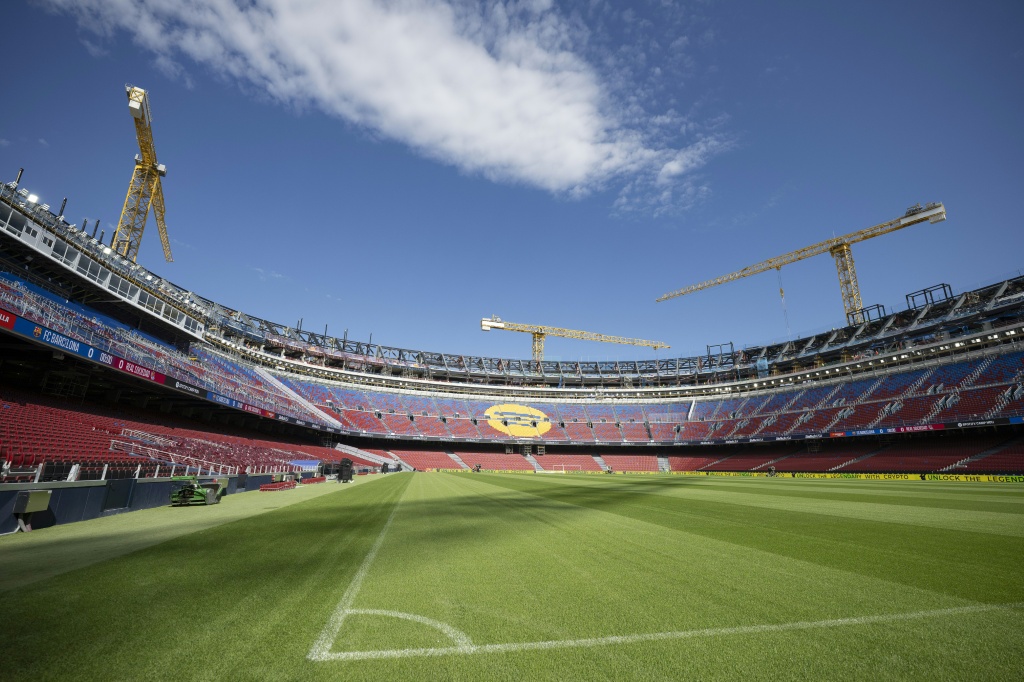
November 2024 marked the planned triumphant return to a renovated and magnificent Camp Nou to celebrate Barcelona's 125th anniversary, yet ten months on, the venue remains closed due to ongoing renovation turmoil.
Barcelona shut the doors on their iconic yet worn-out Camp Nou in May 2023, expecting a swift reopening after about eighteen months.
However, that target passed without progress, followed by missed dates in spring 2025 and then August. The doors remained shut, while complications escalated.
There was strong hope that Barcelona could launch their home fixtures this season at the upgraded arena, and La Liga supported by arranging their initial three games away to allow extra preparation time.
Nevertheless, after leaving their temporary base of the previous two years, the 55,000-seat Olympic stadium in the city, Barcelona ended up in an absurd situation by hosting their opening two home games at the 6,000-capacity Johan Cruyff training facility.
This move alone reportedly cost them over four million euros (about $4.7 million).
Moreover, on Tuesday, Barcelona faced another setback when the city council postponed approving a licence for the club to resume operations at a limited 27,000 capacity, citing concerns over escape paths.
"This city council must ensure the safety of all attendees at the stadium, that remains our top concern," stated the deputy to the Barcelona mayor.
Barcelona has arranged use of the Olympic stadium for their league match against Real Sociedad on Sunday and the Champions League encounter with reigning champions Paris Saint-Germain the following Wednesday.
Looking ahead, club president Joan Laporta, always hopeful, aims to obtain the necessary approval in time for their October 18 clash with Girona at Camp Nou.
Elements still absent
From the start of the building work, the club has encountered various challenges.
Two locker rooms required reconstruction on two occasions following water damage. Complaints from local residents led to stricter controls on operating times due to disturbances from noise and lighting, and supply expenses increased, partly because of Russia's conflict in Ukraine.
The bottom two levels of the 1957-opened stadium were preserved, but more than 2,000 additional alterations proved necessary beyond initial plans.
Estimates suggest Barcelona is spending 1.5 billion euros (roughly $1.75 billion) on the endeavour, and the earlier they resume, the faster revenue from the site can flow in.
The club, grappling with financial difficulties, wants to record sales of premium seats, which are already locked in, to meet La Liga's financial regulations.
Barcelona's institutional vice-president Elena Fort and operations head Joan Sentelles guided journalists, including those from AFP, through the revamped stadium on Tuesday.
Upon eventual return, supporters will discover enhanced, roomy, and user-friendly seating and playing surfaces, a marked improvement over the past setup, despite the uppermost tier around the venue still pending construction.
However, moving away from the field, internal spaces remain incomplete.
The primary squad changing area is not yet assembled, and although two guest facilities exist, they feature visible overhead piping and lack any finishing coats.
"Certain elements are absent, like wall coatings and furnishings, but we believe that provided safety standards are upheld, the initial usage permit can proceed. The arena is prepared for matches," Fort remarked.
While exit routes pose an immediate hurdle for approval, over the longer view, Camp Nou stands in a much stronger state than before.
Sentelles noted that full evacuation would take four and a half minutes, compared to the prior eight.
Overall capacity will expand from 99,000 to 105,000, making Camp Nou Europe's sole venue exceeding 100,000 seats.
Due to the hold-ups to date, the projected finish before 2026 will slip, and the arena's covering, known as the "big lift" initiative, will not arrive until summer 2027.
Spanish reports indicate Barcelona risks substantial losses from their 70 million euros per season agreement with Spotify if the stadium, now named after the streaming service, fails to operate at 90 percent capacity by season's end.
Considering the pattern of prior postponements, this threat looms large.