


EXCLUSIVE: Gokhan Inler on life behind the scenes as Udinese's technical director
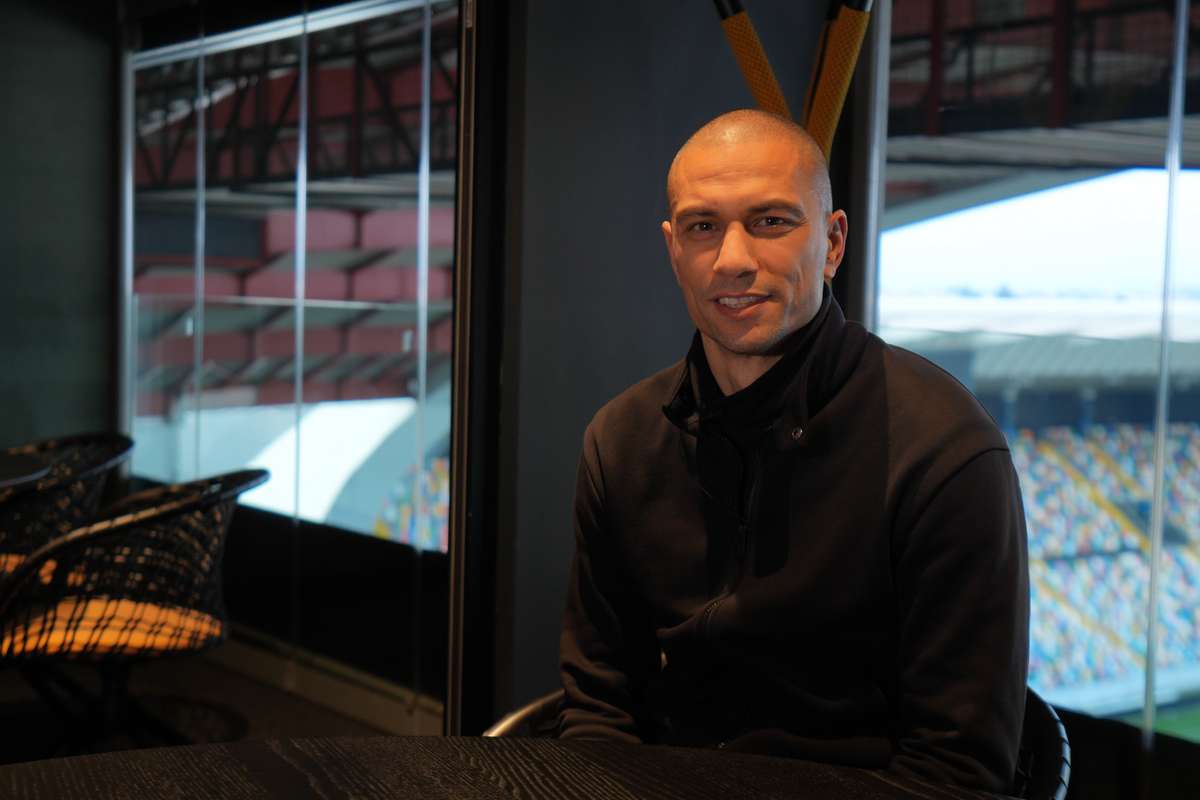
In this exclusive chat with Flashscore, Gokhan Inler outlines the duties of a technical director. He discusses elements from his playing days that inform his current work with athletes at the Serie A outfit, naturally including that iconic Premier League triumph alongside Leicester City.
If someone entirely unfamiliar with football asked, how would you explain the technical director role? What stands out as your primary duty?
"I'd call it a full-circle position, as my duties require me to be involved in all areas. I must stay close to the athletes, the organisation, the manager, and the various support teams. An overall perspective on operations is essential. A technical director, or sporting director as it's sometimes termed, must encompass every angle.
"The job evolves constantly. In my playing era, these figures were rarely seen around the training ground. Today, though, they remain with the squad, monitoring sessions, analysing data, and reviewing stats. That's a key reason for my involvement. Plus, I enjoy the challenge, as it demands preparedness for any situation."
Did transitioning from player to a leadership position in the sport come naturally to you?
"Not at all. First, I had to choose to end my playing days. I took roughly a year to reflect on my next steps. As an athlete, you eventually consider post-career plans. Mine was always to become a sporting director.
"In this capacity, I'm accountable for the squad, which is a total shift. Availability round the clock is necessary, not only for the athletes but for everyone at the club. Honestly, my two decades in the game provided valuable insight. Yet, staying energised and prepared is crucial, since not all days go smoothly. Maintaining equilibrium, showing respect, and being geared up daily are vital."
Using phrases like '24/7' or 'full circle', did anything catch you off guard in the role? Perhaps some off-field elements you overlooked as a player but now recognise as crucial?
"As a player, your focus is on field performance, fitness, recovery, and readiness. That sums it up. Shifting to my present position changes everything. Demands come from all directions. Balancing priorities, seizing chances, and managing aspects beyond the game, including supporter relations, are key. The environment differs vastly.
"To succeed at matches, you must ready the athletes. They face immense stress from press, supporters, personal matters, and sessions. The sport has transformed, requiring constant alertness."
Does this position bring more stress than your time as a player?
"Pressure exists in both, but varies. As a player, physical demands mean running at peak intensity daily. Here, it's less about the body and more about the mind. Clarity is essential. Feelings fluctuate daily, so self-assurance is needed, accepting both tough and triumphant moments. Honesty with athletes and colleagues is paramount.
"Players head home to unwind with loved ones. In contrast, post-session work continues here. Planning ahead, dealing with promotional tasks, and overseeing operations persist. It's a fresh challenge, but one I appreciate."
Is football more intense today compared to 15 or 16 years back, for athletes and roles like yours?
"Absolutely. Standards have risen. Media presence and online platforms amplify everything, unlike in the past. Every action is under scrutiny from the public. This impacts our responsibilities too. It's substantial effort."
Many ex-players express relief at avoiding the social media era. Do you agree, or would you rather compete now, with opportunities for self-promotion?
"Both perspectives have merit. Ultimately, honour your responsibilities and commit fully to stay true to yourself. Today, you can spotlight athletes and engage positively.
"In my early days, it was simply about playing and securing victories. Now, triumphs must pair with strong showings and additional elements, as a player's or staff member's reputation affects trust and standing."
Now, regarding the 'Udinese DNA'. How do you characterise an ideal Udinese athlete? What traits are essential?
"Udinese's reputation for nurturing talent and producing stars is global. The essence is maximising a player's potential. Resources abound here for that. Respect comes first, helping newcomers grasp our context. Udinese isn't like Milan or Napoli."
How do you achieve that? Any specific welcome procedure for new signings?
"Since joining, I've suggested a formal induction to acquaint arrivals properly. We cover the DNA, extending beyond the pitch to club traditions and supporter culture. With international recruits from diverse backgrounds, thorough orientation matters.
"Integrating a player into the club is vital for me. Following that, consistent guidance is needed. Personalities vary, yet we've fostered solid prospects, earning their appreciation."
The club's approach is evident: scout promising talents, nurture them, and transfer to larger outfits. This model has proven highly effective. Did this sustained strategy influence your choice to take the job?
"I've known the Pozzo family from my playing stint here and maintained ties post-departure. Their diligent approach appealed, aligning with my work ethic. I understand their goals clearly. Stepping into this immediately after retiring was a privilege. Opportunities like this don't always come quickly, but it suited me perfectly.
"Language skills are crucial too. Italian proficiency was fundamental for this transition, as few former players enter this field due to its rigour. Positivity and drive are required, which I possessed."
Can it be disheartening to realise a standout performer's success might lead to their exit by season's end?
"Athletes join to progress, and after two or three strong seasons, elite clubs take notice. Prior to that, dedication is essential. I followed a similar path, thriving over four years before moving to Napoli, a major leap. I know how to mentor them through it.
"Parting with top talents isn't simple. Take Florian Thauvin: upon arrival, he was professional but not fully displaying his talents. Here, he developed, assumed leadership and captaincy, and excelled in a season.
"We shifted the mindset and unity. Udinese excels in this, though it demands intense behind-the-scenes effort. Credit to the Pozzo family; their management has kept us in Serie A for more than three decades."
Sustaining ownership successfully for 40 years isn't typical...
"Especially in this area, where giants dominate. It's a remarkable feat. Thus, injecting some intensity or motivation occasionally keeps the athletes sharp. Udinese aids progression for performers. Underachievers face firm accountability."
As a past captain, you noted Thauvin's leadership growth. Do you assist coach Kosta Runjaic in spotting locker-room influencers?
"Indeed, my national team captaincy under Ottmar Hitzfeld equipped me. Though not originally Swiss, my birthplace made me an ideal link across cultures. I learned leadership transcends the armband; it involves ongoing positivity, unity, respect, and media representation.
"At Udine, I identify potential leaders. We selected Thauvin initially for his World Cup pedigree. Paired with Jaka Bijol, they worked well last term, but both departed. This season, Jesper Karlstrom and Sandy Lovric were chosen after thorough discussions with the coach."
Your career centred on relentless effort. Was that a factor in the Pozzo family's decision? To demonstrate to youngsters the path to elite status?
"Likely. With over 20 years spanning highs and lows, I offer perspective. Direct communication in a player's language outperforms translation. My background enables clear guidance on reaching peaks. Presence alone isn't enough; awareness is key.
"Success demands more than funds and casual sessions. I started from nothing, embracing daily toil. No smoking or drinking for me, as known. At Leicester, the club was obscure pre-title. I arrived as a leader yet featured minimally. It was my toughest year, costing my national team spot and captaincy."
A decade later, the Leicester triumph is a fairy tale to many. For you, though, it was challenging, correct?
"Football-wise, yes, with stars like (N'Golo) Kante and (Danny) Drinkwater shining, though unknown earlier. Team cohesion was superb. I motivated them constantly. I could have exited that summer indifferently, but I persevered. I challenged Kante and Drinkwater, applying pressure.
"Ultimately, the championship was rewarding, as the lessons from struggles remain. I share with athletes: 'Elite status requires grit'."
Do you reference the Leicester story to illustrate that diligence can achieve the improbable?
"That Leicester example serves as a powerful tool. I deploy it for sidelined players, reassuring them it's not over. Effort transforms outcomes. Post-Leicester, I continued eight years in Turkey, a pivotal phase where I advanced agent-free, rebooting my path.
"Hence, transparency and candour with athletes matter. Truth-telling builds trust. My edge lies in strong player bonds. They perform on the field; neither the coach nor I can. Treating each professionally is essential."