


Refereeing in Africa Cup of Nations receives a red card
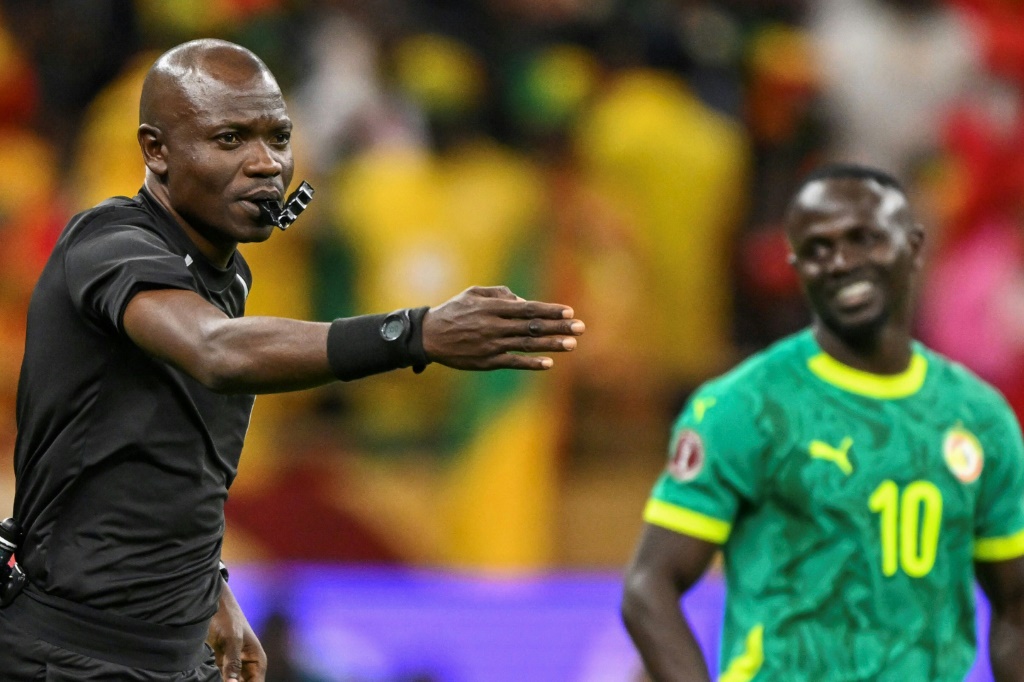
The Africa Cup of Nations occurred amid widespread doubts that officials were showing bias towards the host nation Morocco, peaking when the Sunday final erupted into disorder following numerous disputed rulings.
The most memorable scene from this AFCON will be the Senegal players walking off the field after Morocco received a penalty right at the end of the second half.
This followed closely after referee Jean-Jacques Ndala had nullified a goal for Senegal.
The response from the Senegalese side highlighted the deep seated distrust towards the match officials throughout the three weeks of the tournament.
While refereeing faces heavy criticism at every AFCON, the complaints this time escalated to unprecedented levels, ultimately disrupting the final in Rabat and damaging the reputation of an event whose setup had previously earned broad acclaim.
"It felt off right from the beginning," remarked Morocco coach Walid Regragui following his teams 1-0 defeat in extra time before their home supporters, alluding to the intense pressure that shadowed each of their fixtures.
Apart from the influence of Moroccan fans during their sides games and the restricted seating for opposing teams, conflicts between players and officials arose from many issues.
Moroccos 2-0 victory over Cameroon in the quarterfinals ignited fury among the Cameroon players, who accused the referee of ignoring a penalty after a challenge on striker Bryan Mbeumo.
"A lot of folks seem keen to think, or convince others, that we benefit from favourable refereeing. As the favourites, everyone looks for excuses to claim Morocco gets preferential treatment," explained Regragui.
Moroccos semifinal triumph against Nigeria also carried elements of dispute.
"The referee was terrible. He issued some truly awful calls, and it hurts to witness such officiating in a major contest," commented Nigeria midfielder Bright Osayi-Samuel.
Referee overwhelmed
Most notably, the final and Congolese official Jean-Jacques Ndala drew global attention.
Ndala failed to assert control over the situation, as noted by ex-French international referee Bruno Derrien.
Derrien informed AFP that when Senegal saw their goal disallowed for an infringement on Paris Saint-Germain defender Achraf Hakimi just before the penalty moment, there was "contact, yet it was minimal."
"I believe he stopped play too soon. Had he allowed the action to proceed without penalising the foul, the goal might have undergone VAR review and probably stood," Derrien continued.
When Senegal defender El Hadji Malick Diouf clutched Brahim Diaz around the throat and dragged him down during a corner, Ndala ultimately pointed to the spot.
Derrien described the penalty as debatable, stemming from a "minor infringement" during a phase of heightened strain in the evenly matched encounter.
Ndala found himself mobbed by players and staff from both sides, with the charged environment marked by boos from Moroccan fans as he went to check the VAR monitor.
His ruling provoked outrage among the Senegal squad, leading several to abandon the pitch in objection, which halted the game for about 20 minutes.
The Congolese official appeared overly lenient amid this absurd incident, given that football regulations require a yellow card "if a player delays the resumption of play" or exits the field intentionally without authorisation.
Enforcing this might have resulted in ejections for various Senegalese players already holding cautions.
FIFA president Gianni Infantino on Monday denounced "the actions of certain 'fans' along with some Senegalese players and coaching personnel," urging the Confederation of African Football (CAF) to implement “suitable actions".