


Canada as co-host eyes 2026 summer World Cup as major breakout moment
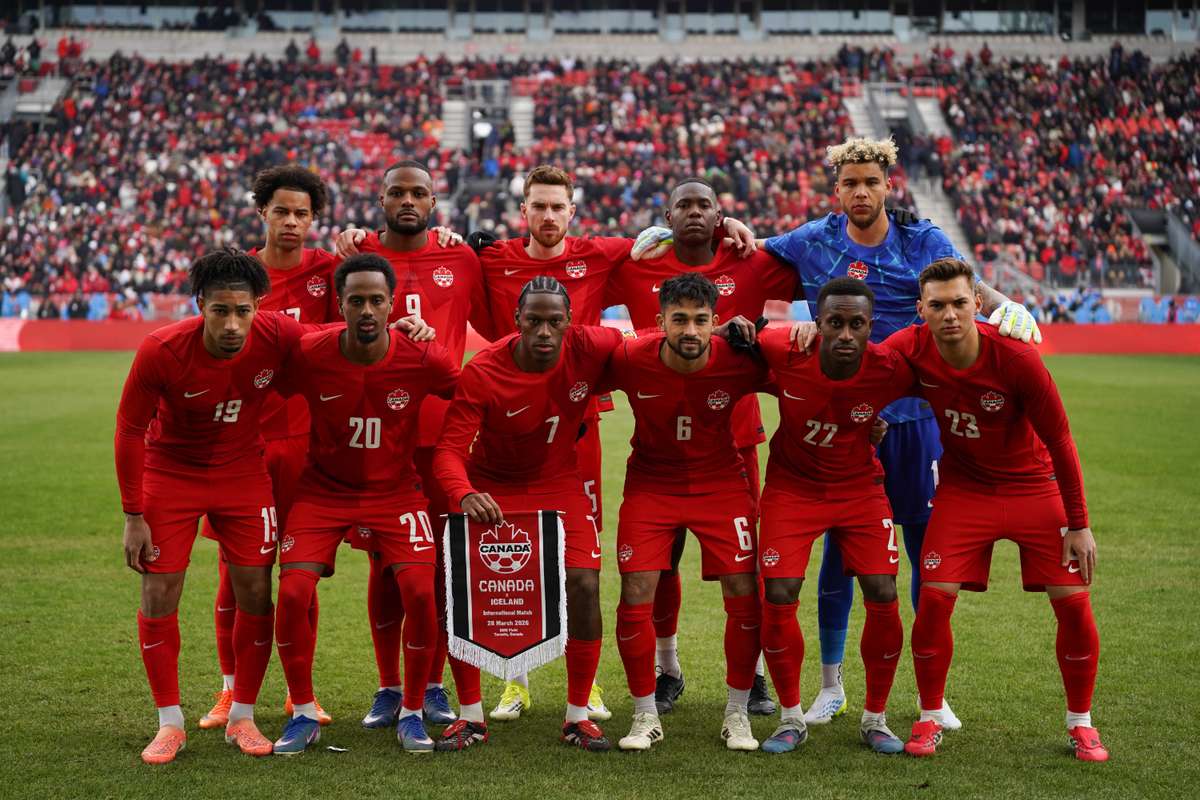
As Canada takes on Bosnia and Herzegovina on 12 June in its inaugural World Cup fixture on home territory, this marks another milestone in a prolonged evolution that has established football firmly within a sports environment long ruled by ice hockey.
With close to one million registered participants, it stands as Canadas biggest participation sport, and the 2026 World Cup promises to inject fresh impetus into the nations swiftly advancing football landscape.
Canada will stage 13 fixtures, comprising six in Toronto and seven in Vancouver, while also meeting Qatar and Switzerland in Group B.
In its prior two World Cup outings, the 1986 event in Mexico and the 2022 competition in Qatar, Canada recorded an unblemished tally of disappointment: six matches played, six defeats.
Nevertheless, Canadas US coach Jesse Marsch maintains that the tournament co-hosts are not merely filling spaces at their own gathering.
"We aim to claim the World Cup title," Marsch remarked during an interview last year.
"That might appear absurd, yet why enter any competition at any point thinking, 'Well, lets see our performance, perhaps we snag a single victory. Or might we net a goal?'"
Marsch noted that such mindset represented Canadian footballs "dialogue in the past."
'Affection for the squad'
However, backed by a roster frequently hailed as the finest Canadian side ever gathered, including Bayern Munichs Alphonso Davies and Juventuss Jonathan David, Marsch remains convinced of reasons for hope.
"This current squad, the level we envision for ourselves is rising," Marsch stated.
"We recognise it will prove challenging. Our group is no simple one. Its feasible we exit the group stage, as various outcomes remain possible. Yet we trust in ourselves, our collective, and our athletes."
Marschs assurance finds support in Canadas consistent ascent through the FIFA rankings.
In 2015, the mens team sat at 116th globally. By 2025, it had ascended to 26th.
The Canadians initially demonstrated their CONCACAF prowess in 2022 World Cup qualifying, surpassing regional giants Mexico and the United States to reach Qatar.
Although ousted from the group phase in Doha after defeats to Belgium, runners-up Croatia, and Morocco, they captured global attention in 2024s Copa America, surging unexpectedly to the semi-finals before falling to reigning champions Argentina.
Numerous probable starters in Canadas World Cup lineup trace origins to the nations immigrant communities.
Juventus forward David entered the world in New York to Haitian parents prior to relocating to Canada young. Bayern standout Davies arrived to Liberian parents in a Ghanaian refugee camp in 2000, then moved to Canada at age five. Skilled midfielder Ismael Kone, appearing in Italys Serie A for Sassuolo, hails from Ivory Coast.
"Certainly, connections to diverse cultural elements exist, but their passion for Canadian identity and donning the national jersey runs deep," Marsch observed.
"I have been profoundly struck by their dedication, their affection for the team, their nation, and the conviction in their representation."
Similar to how US soccer benefited from the mens teams achievements at the 1994 World Cup, Canadian authorities anticipate that an extended showing by Canada this time will yield enduring gains for the game.
"An engaging extended stint in the event will spark ongoing interest in soccer across every format," stated Kevin Blue, chief executive of Canada Soccer.