


Reasons for Ghanas split from Otto Addo and possible successors
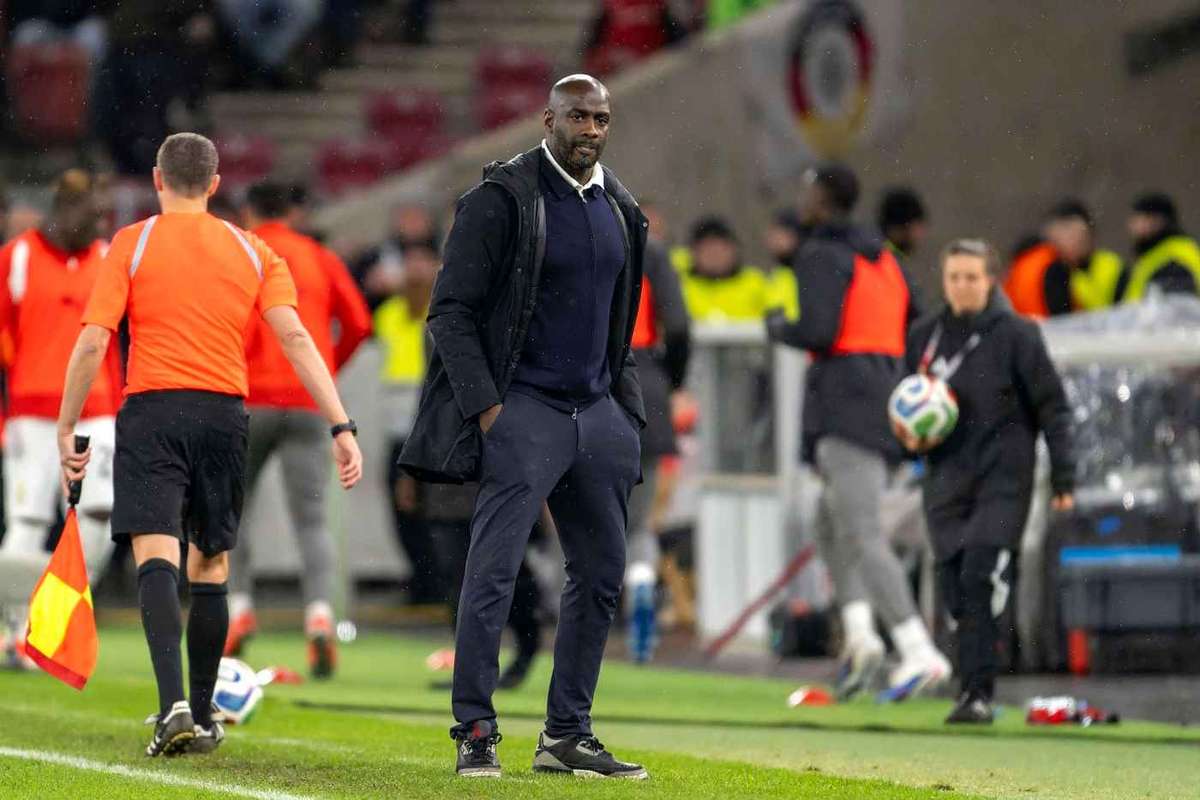
The Ghana Football Association announced on Tuesday the dismissal of Otto Addo as head coach of the Black Stars, leaving barely two months until the 2026 FIFA World Cup kicks off.
This choice, surprising due to its timing yet somewhat expected, came after an extended urgent discussion involving GFA executives and Sports Minister Kofi Adams, who travelled from Ghana to Stuttgart for Mondays friendly match against Germany.
This marks the second occasion Addo has left the position, though the details of this departure are considerably more complicated than the previous one.
Signs of trouble were evident well before the end of the Stuttgart game. Ghanas 5-1 loss to Austria in Vienna on Friday, March 27th, marked their worst defeat in nearly two decades and immediately raised serious concerns among top Ghanaian football authorities.
The Monday loss to Germany, confirmed by a late strike from Deniz Undav that prevented even a draw despite a better showing from Ghana, became the breaking point.
Insiders suggest that high-ranking officials in Ghanaian football were not just troubled by the outcomes but also by how the team played.
Ghana has now dropped their past four fixtures, and rather than gaining momentum for a fifth World Cup entry, the squad is gripped by worry and doubt.
Those familiar with the matter say that Addos comments during press briefings in the international break did not help calm fears, as his calm and reflective answers lacked the confidence and decisiveness required.
Possibly the most harmful element was the indication that Addo had forfeited the support of the players. Reports suggest a fracture in the bond between the coach and many team members was a major reason pushing the GFA to act, with player faith in the strategy diminishing to an unsustainable level.
The discussion between GFA leaders and Sports Minister Adams lasted until the early morning of Tuesday. When it wrapped up, Addos second term as Ghana coach had concluded.
A Second Term that Struggled to Gain Traction
Addos return to lead the Black Stars began with strong backing and enthusiasm from the public, yet it could not turn that positivity into reliable outcomes or a clear playing style.
In his 22 games during this second period, the statistics reveal challenges. He secured victory in only eight matches, had five draws, and suffered nine losses.
The team netted 35 goals while allowing 28, resulting in a win percentage of 36.4 percent, which falls short for a football powerhouse like Ghana, especially one approaching a World Cup.
The nine losses, encompassing the disaster against Austria and the setback versus Germany, illustrated a side that remained unsettled, lacking assurance, and unprepared.
A Tight Timeline Ahead
Ghana must now urgently select a new coach and incorporate them swiftly to ready the team for a World Cup starting in June.
The 26-player roster is set for reveal in late May, giving the incoming coach mere weeks to evaluate talent, introduce tactics, and foster unity to face Panama, England, and Croatia in Group L.
The GFA aims to act promptly and firmly, favouring a candidate already familiar with the group, someone who understands the dynamics and can start effectively without time to adjust.
Early leading options include assistant coach Desmond Ofei, integrated in the staff with deep knowledge of the existing players.
Additionally, ex-Black Stars manager Kwesi Appiah, who led Ghana to the 2014 World Cup and has tournament expertise, is reportedly a contender.
Regardless of whether the choice is internal or external, it must happen soon. Ghanas World Cup starts with Panama on June 17th in Toronto, followed by England in Boston on June 23rd, and Croatia on June 27th.