


Visa chaos and host city threats: how Trump disrupted World Cup plans
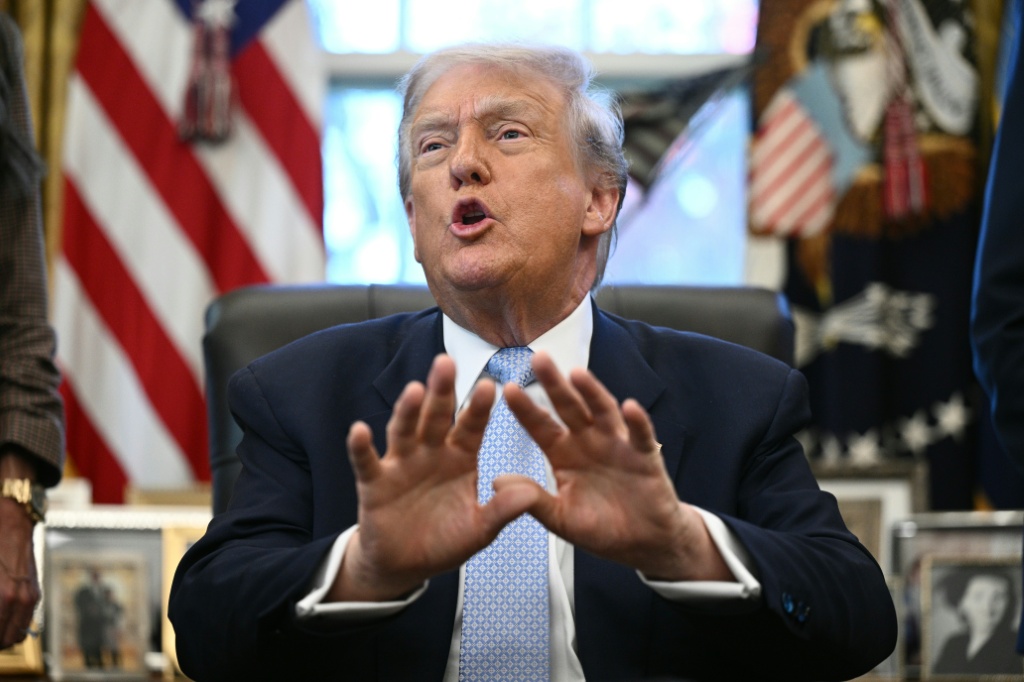
Arranging a World Cup is always challenging. Yet when Donald Trump is involved as a host, matters grow far more intricate.
Within the next six months, the United States, Mexico, and Canada will jointly host footballs premier competition.
The unpredictable American leader has angered his fellow co-hosts, warned of shifting matches to new locations, and introduced strict visa controls.
Travel restrictions
Expectations are that hundreds of thousands of international supporters will travel to the hosting nations, especially the US, which will stage 82 out of the events 104 fixtures.
These visitors will enter a country governed by a president whose second administration prioritises tough anti-immigration measures, including extensive and controversial sweeps and expulsions.
Trump is ramping up the pressure. Following an incident where an Afghan individual reportedly fired at two National Guard personnel near the White House, resulting in one fatality, he declared intentions to indefinitely halt immigration from every developing nation.
Since June, travel bans from 19 nations, which include World Cup entrants like Haiti and Iran, have been in place in the US, with asylum rulings now suspended without a set end date.
Iran temporarily announced a boycott of the World Cup draw held in Washington on Friday, protesting the US denial of visas to parts of its team, though it soon withdrew that statement.
Visa 'vetting'
Securing a visa for the US can often require weeks or months, but Trump has launched a dedicated expedited system for ticket holders attending the World Cup.
Supporters travelling with their squads will get priority scheduling for visa interviews.
However, US Secretary of State Marco Rubio cautioned potential attendees aiming to join the event.
"Your ticket is not a visa," Rubio stated during the reveal.
"It does not assure entry into the US. It only ensures a quicker appointment, yet you must still endure full screening."
Shifting venues
Trump has often warned of relocating World Cup fixtures from various cities controlled by Democrats, citing security concerns.
Cities facing possible changes include Boston with seven scheduled games, San Francisco and Seattle each hosting six, and Los Angeles set for eight.
Relocating fixtures would create massive logistical difficulties for FIFA, not to mention inconvenience for fans who already arranged travel and lodging.
Such moves might encounter legal hurdles as well.
Contracts for host cities allow termination solely for extreme circumstances such as natural calamities, conflicts, or widespread unrest, though there exists greater leeway for adjusting particular matches.
Contributing to the instability, Trump has stationed National Guard forces in numerous Democratic-led cities this year, despite resistance from local and regional authorities, claiming they are essential to combat crime and progressive protests.
Moreover, operations by immigration officials in places like Los Angeles, where Trump pledged to target unauthorised residents, have heightened strains and fostered apprehension, especially within Hispanic populations.
These military placements and enforcement actions may persist right up to and during the World Cup.
Tense neighbours
Trumps approach to international relations features harsh stances towards both partners and adversaries, and sharing World Cup hosting duties with the US has brought no exemptions for Canada and Mexico.
Trump has levied heavy duties on select goods originating from these adjacent nations.
He has further suggested absorbing Canada and left open the possibility of US air operations in Mexico to combat cross-border drug syndicates.
Such escalating frictions will amplify the coordination issues inherent in this groundbreaking tri-nation World Cup, which boasts an unprecedented 48 participating teams.