


Supporters organisation sues FIFA for imposing exorbitant World Cup ticket costs
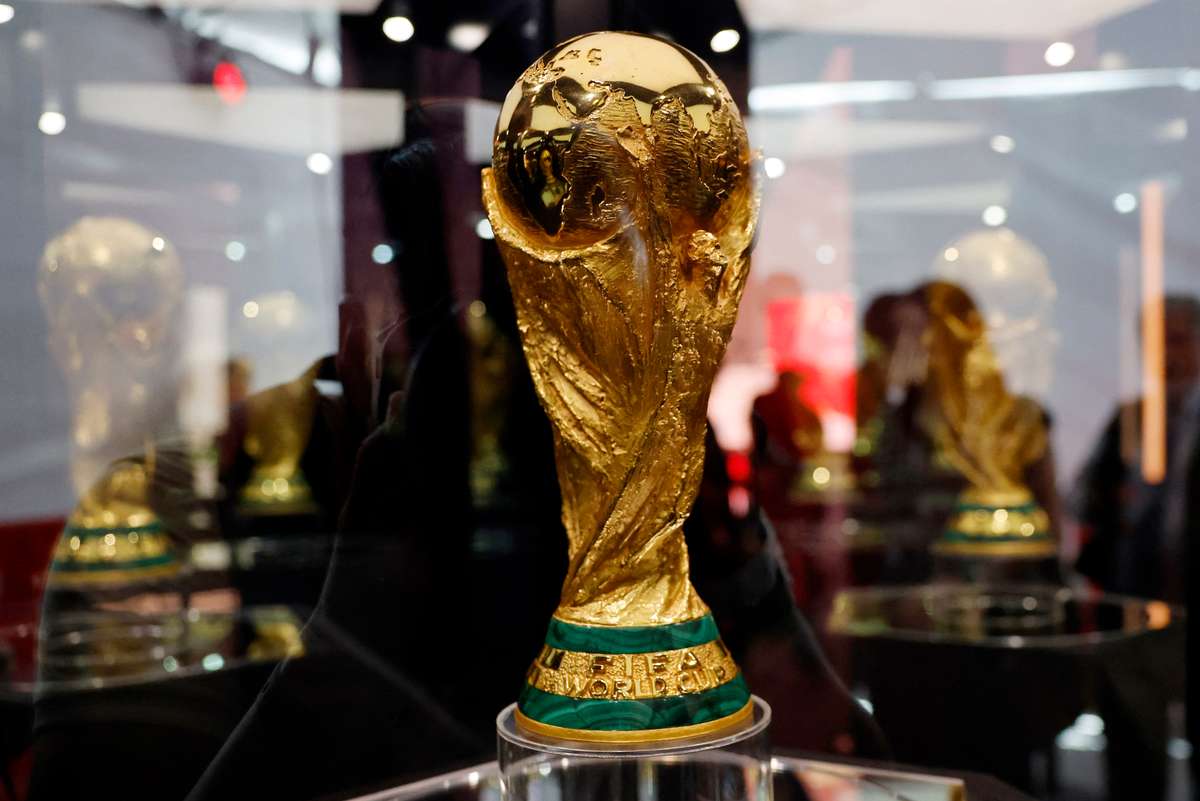
The FSE and Euroconsumers organisation claimed that tickets for the event running from June 11th to July 19th across the US, Canada, and Mexico are unreasonably expensive, while highlighting FIFA's control over distribution.
Euroconsumers and Football Supporters Europe, known as FSE, have submitted an official grievance to the European Commission, accusing FIFA of exploiting its dominant status to enforce inflated ticket costs along with unclear and unjust buying terms and procedures for European supporters prior to the 2026 World Cup, according to the FSE's announcement.
FIFA maintains exclusive rights to sell 2026 World Cup tickets and has leveraged this authority to set terms for fans that would be unacceptable in any open market, the organisation further noted.
The FSE pointed out that costs for the final vastly exceed those from the 2022 final in Qatar.
The lowest publicly listed tickets for the final now begin at $4,185 (£3,100), exceeding sevenfold the price of the most affordable 2022 World Cup final ticket, they explained.
In comparison, the least expensive tickets for the UEFA Euro 2024 final were priced at 95 euros (£82).
FIFA's initial application outlined an average ticket cost of $1,408 (£1,050), yet actual prices have far surpassed this estimate, the FSE continued.
FIFA reports that nearly seven million tickets are on offer.
Individuals may purchase up to four tickets per game and a maximum of 40 across the entire event.
This expanded World Cup, the first with 48 participating teams, will include 104 matches in total, with prices for popular fixtures having risen sharply.
The FSE noted that the North American proposal originally assured tickets starting from just $21 (£15), but the entry level options released for sale are $60 (£45), such as for the Group J initial match between Austria and Jordan at Levi's Stadium in California.
Tickets for games featuring top teams typically start at a minimum of $200 (£150).
Dynamic pricing model
Certain final tickets listed on FIFA's authorised resale platform are priced at staggering levels.
For instance, a category three spot for the match at MetLife Stadium in New Jersey is listed for an astonishing $143,750 (£107,200), which is more than 41 times its initial value of $3,450 (£2,600).
FIFA's leader, Gianni Infantino, argues that such pricing reflects overwhelming interest.
Especially in the US, dynamic pricing operates where costs adjust upwards or downwards based on the specific fixture, as Infantino has explained.
The FSE criticised dynamic pricing for lacking any upper limit on increases.
FIFA applied variable or dynamic pricing without any ceiling or clarity on pricing mechanisms, the group stated.
Certain tickets increased by 25% from one sales period to the next, leaving fans without a reliable method to predict the ultimate cost upon entering the queue.
Following ongoing backlash regarding costs, FIFA introduced a more affordable ticket tier, though the $60 options are limited to supporters of qualifying nations and constitute only 10% of each country's allocation.
FIFA promoted $60 tickets for group stage matches extensively, the FSE observed.
However, these were so limited in availability that the full Category 4 stock was essentially depleted prior to the start of general sales.
FIFA has reserved an undisclosed quantity of tickets, to be released from April through to the tournament's conclusion on a first come, first served arrangement.
Additionally, resale sites exist, including FIFA's own, but this fan to fan exchange permits sellers to fix their own rates, resulting in the extreme pricing seen for a final ticket.
Resale activities remain without regulation in the United States and Canada, whereas in Mexico, selling above face value is banned solely for tickets bought domestically in the local currency.