


Ratcliffe revolution fails to halt Man Utd decline
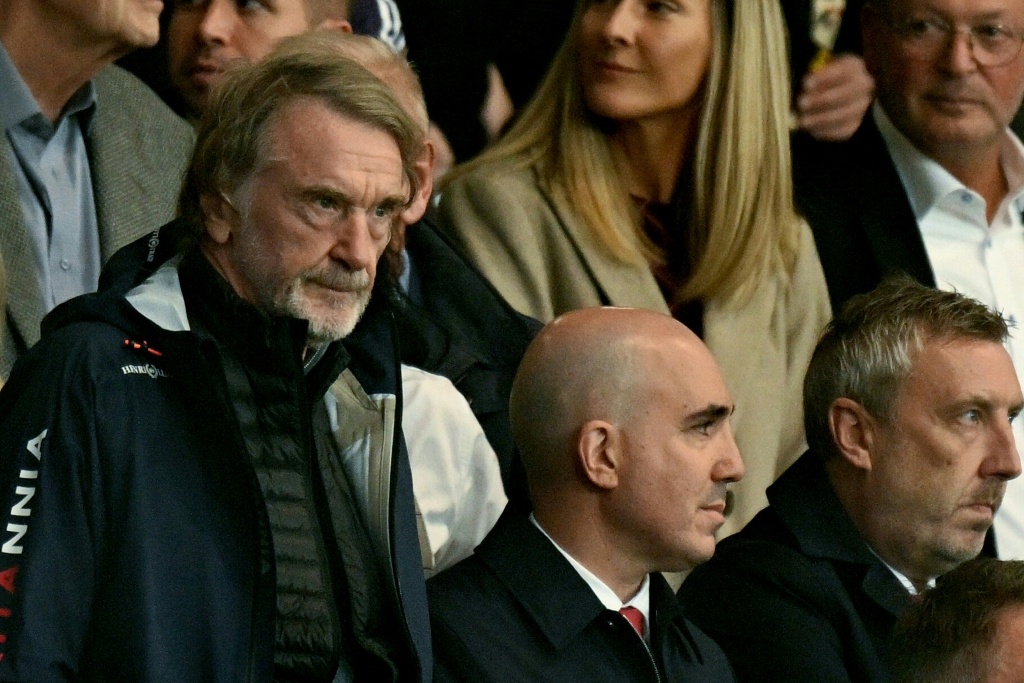
The dismissal of Ruben Amorim from Manchester United highlights the poor advancement made since Jim Ratcliffe became co-owner with pledges of a fresh beginning.
Amorim represents the most recent manager who could not reverse the fortunes at Old Trafford, a venue that has seen over ten years of downturn following Alex Fergusons departure in 2013.
The experienced Scottish manager stepped aside after securing the teams 20th English league title after two decades of home supremacy enhanced by triumphs in Europe.
Following that, United have not genuinely challenged for the Premier League or Champions League titles in spite of numerous high profile coaches.
At 40 years old, Amorim is the initial manager recruited and then removed since Ratcliffe assumed responsibility for the clubs football activities upon purchasing a minority share in the Red Devils.
The arrival of the British billionaire in February 2024 was met with delight by fans eager for new leadership after periods of disappointment under the Glazer family, who retain the majority ownership.
However, expectations that this lifelong United supporter could restore competitiveness domestically and abroad have been unmet thus far.
No 'knee-jerk reactions'
Merely months earlier, Ratcliffe, aged 73, stated that Amorim had three years to demonstrate his worth despite a challenging initiation at United, noting that the club would avoid "knee-jerk reactions".
Nevertheless, United have kept sliding, securing only one victory in their last five league matches at home.
A seeming disagreement with the clubs football director Jason Wilcox regarding strategies and player acquisitions seems to have heightened the strain on Amorim, who was let go on Monday following 14 months at the helm.
Wilcox assumed his present role in June of the previous year, succeeding the primary duties once managed by Dan Ashworth, who endured just five months at the club in an initial setback for the updated administration.
Ratcliffe has yet to demonstrate much progress towards fulfilling his goal of reviving a club he described as having turned "mediocre" to its past greatness.
The aspiration to claim a 21st league championship by the clubs 150th anniversary in 2028 appears increasingly improbable with each season that passes.
United ended the 2024/25 season in 15th position the teams worst top flight placement since relegation in 1974 and failed to qualify for European competitions for just the second occasion in 35 years.
Although showing slight betterment this term, Amorim left with his team 17 points behind frontrunners Arsenal after 20 fixtures.
The side remains in contention for a top four finish but must not surrender more terrain.
Transfer flops
Ratcliffe has openly criticised certain pre arrival transfer moves at United, yet assessments of new signings during his tenure remain undecided.
Joshua Zirkzee and Manuel Ugarte have mostly featured on the fringes after joining under the leadership of Erik ten Hag, Amorims forerunner.
Amorim received a costly new attacking trio comprising Benjamin Sesko, Matheus Cunha and Bryan Mbeumo during the latest summer window, but they have netted only 12 Premier League goals combined to date.
Uniteds capacity to buy their way free from difficulties is increasingly restricted by financial fair play regulations.
The urgent requirement to rejoin the profitable Champions League likely influenced the choice to remove Amorim, who joined in November 2024 hailed as one of the sports top emerging coaches.
Worsening the situation for United supporters craving victories, Ratcliffe is requesting higher ticket prices for matches.
Concurrently, he faces backlash for substantial staff reductions as he seeks to stabilise the clubs budget.
In the prior year, United announced intentions for a 100,000 capacity stadium to supersede their storied yet deteriorating Old Trafford venue.
Ratcliffe mentioned the club aims to construct the "worlds finest football stadium", anticipating completion inside five years, although significant doubts surround the timeline.
Initiatives both on the field and beyond are certainly bold, but they are far from achievement.