


Premier League fans find it hard to manage as teams keep hiking ticket costs
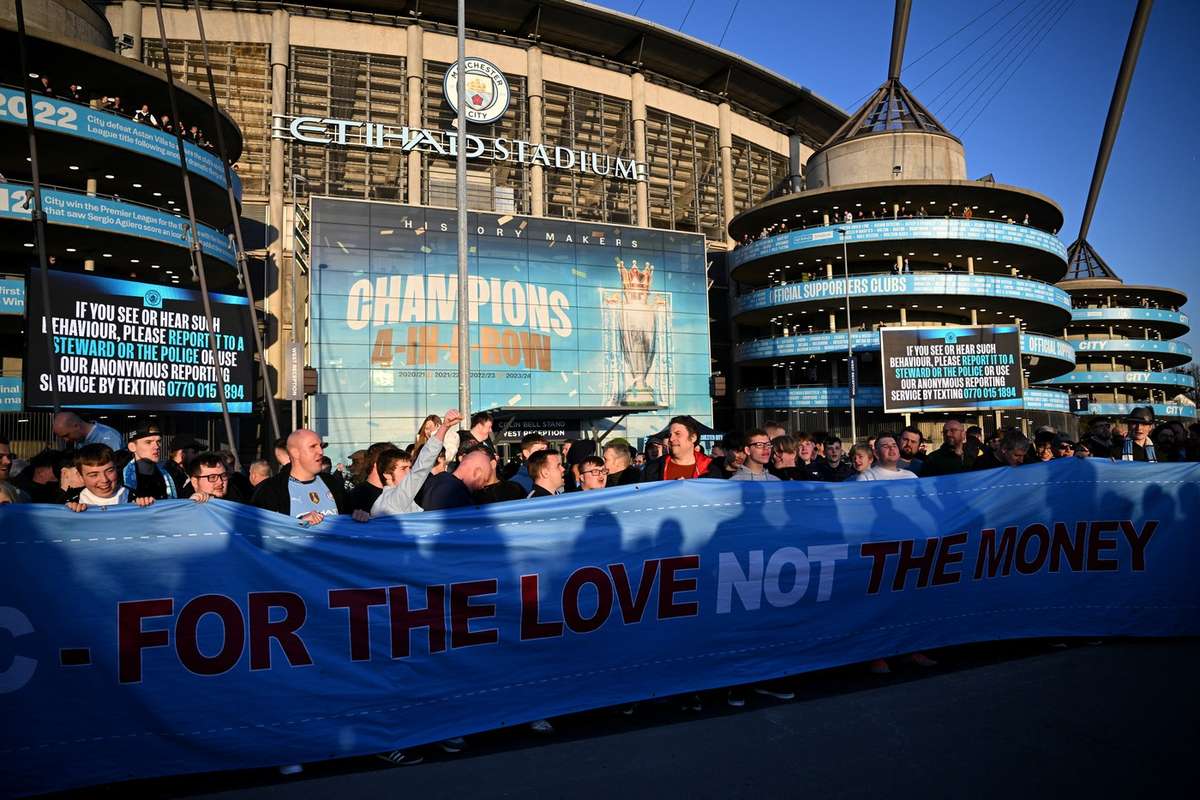
A new UEFA study showed that the "Big Six" clubs in English football, Arsenal, Chelsea, Liverpool, Manchester City, Manchester United, and Tottenham, generated almost 20 per cent higher income from home game ticket sales in the 2024/25 season compared to the year prior.
Income from large broadcasting agreements and sponsorship deals still forms the bulk of earnings for Premier League sides.
However, with the expansion of TV funds tapering off, teams are turning to boost matchday earnings, including funding for stadium upgrades and enlargements, which offer enhanced amenities and superior fan experiences.
Supporters bear the cost, especially those from the local area, as clubs aim at overseas visitors ready to pay extra.
In affluent west London, Fulham features a rooftop swimming area and high end food services in their premium zones, yet their season passes rank among the priciest in the division, reaching up to £3,000.
"The Riverside stand is a great asset, glad it's at our football club, but it's expensive for your average match-going fan," Simon Duke from the Fulham Supporters' Trust shared with AFP.
"In having this fantastic asset, thank you owners, but can you please use that to keep football affordable in the other three sides of the ground?"
Tourist market
Liverpool caused uproar recently by revealing that ticket prices will increase alongside inflation over the coming three campaigns.
The supporters' organisation Spirit of Shankly stated the club "choose to disregard those who make LFC what it is".
Significant growth at Anfield has lifted capacity to 61,000, though only 34,000 season tickets exist.
This setup enables the Premier League title holders to offer close to 50 per cent of tickets individually per fixture, frequently appealing to occasional visitors eager to buy extras like souvenirs, snacks, and beverages.
"You look at the yield per fan, per match," explained football finance specialist Kieran Maguire.
"You're going to get more from a person that's coming for an experience as opposed to some grumpy old bloke who's been doing it for 50 years because the alternative is having to go to IKEA on a Saturday afternoon."
Premium packages can run into thousands of pounds each match, with the top choice for Manchester City's next game against Arsenal listed at £5,500.
A study from advocacy group Fair Game pointed out the potential future dangers clubs face.
"Some clubs are looking at their stadium and seeing each seat as an individual opportunity to raise money," noted CEO Niall Couper.
"If the club wants to be there for the long haul, and to be financially sustainable, then actually keeping ticket prices at an affordable level and allowing access to your local community is a safer way to go."
'National religion'
Fans of all ages are also hit by reductions in discounts.
Manchester United will lift season ticket fees by five per cent for the third year running and cut the elderly discount in half for certain attendees.
Followers of United and Liverpool, the nation's top two clubs in achievements, united to support the "Stop Exploiting Loyalty" initiative during a fixture at Anfield last season.
Even with the dissatisfaction, Premier League outfits averaged over 40,000 attendees per game last term, with venues almost 99 per cent occupied.
That said, signs of issues have emerged lately.
Tottenham, near the foot of the standings, could not fill their 63,000 seat arena for Champions League evenings.
"Too many empty seats and too many supporters, particularly young supporters, priced out of attending. Thin the crowd and you thin the noise," declared the Tottenham Supporters' Trust in their release.
Yet the lasting appeal of football in England amid economic pressures underscores its special role in the country's mindset.
"In a secular society, I think football has become a national religion," Maguire commented.
"Therefore, when I'm making those budgetary decisions, do we go on holiday this year? Are we going out for more meals? Am I going to go out to the pub two nights a week? And am I going to renew my season ticket? Season tickets will take priority."