


Japan will need to strengthen some areas to win World Cup: Nielsen
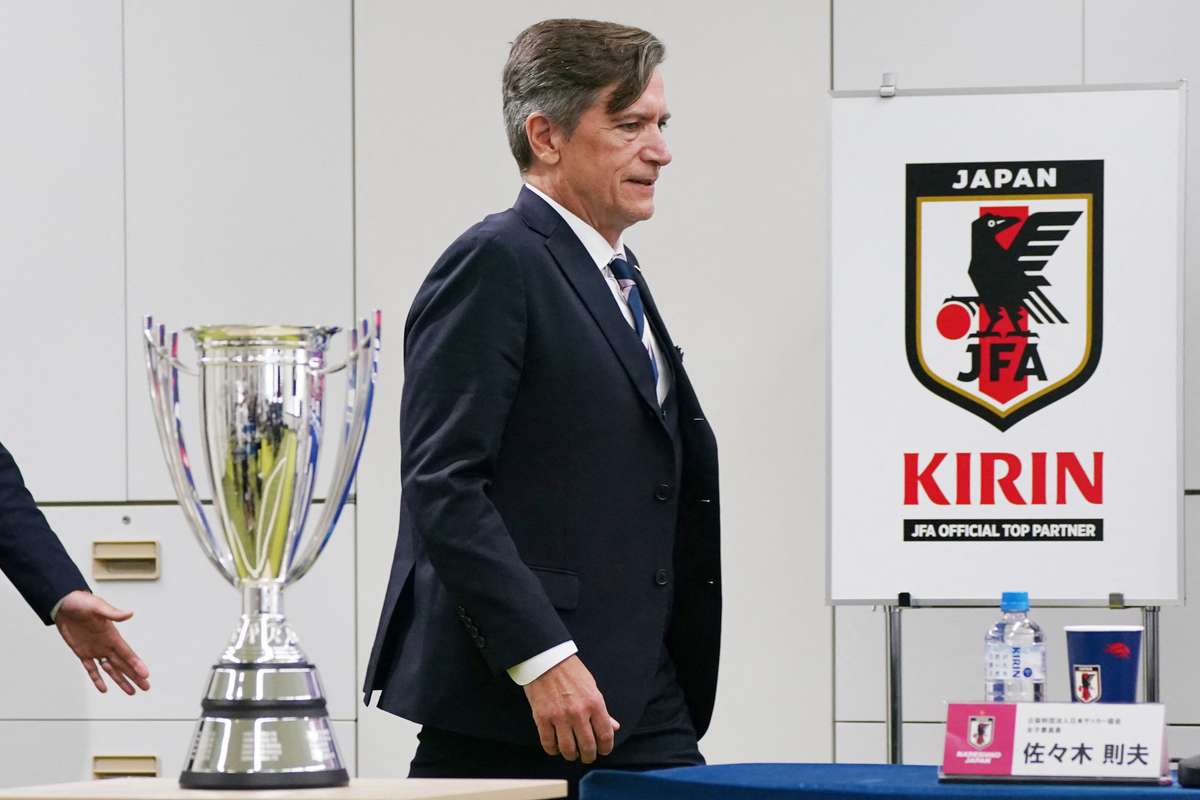
Japan defeated the Women's Asian Cup hosts Australia 1-0 in the final held in Sydney on Saturday, securing the trophy for the third occasion in four editions.
Under Nielsen's guidance, the team shone throughout, netting 29 goals while allowing only one, thus sending a clear signal before next year's World Cup in Brazil.
As the sole Asian side to claim the global crown, Nielsen emphasised that ongoing progress is essential if they aim to repeat the feat.
"We discovered certain aspects of our play that are exceptionally robust," remarked the coach from Greenland upon arriving back in Tokyo.
"However, we encountered challenges in enforcing our style in the closing stages due to the rivals' power.
"This challenge will resurface at the World Cup, so we must develop alternative strategies to shape matches as we desire."
Japan triumphed at the World Cup in 2011 and advanced to the final once more in 2015, only to fall to the United States.
Since then, they have failed to progress beyond the quarter-finals in any World Cup or Olympic competition.
The lineup in Australia included 16 players based in England, such as captain Yui Hasegawa and forward Maika Hamano, who netted a stunning decisive goal in the final.
The coach noted that his group has "developed considerably as a unit, and this progress will continue".
"Further evolution is required; constant advancement is key," Nielsen added.
"Settling for the current situation and complacency will leave you short in the long run."
Japan's victory highlighted a pivotal event, attracting over 350,000 spectators, which underscores the rising appeal of women's football.
This figure was roughly sixfold the prior record from 2010 in China, with the Sydney final drawing 74,397 attendees, establishing a fresh benchmark for a single match in the competition's annals.
Back in Japan, the response was notably subdued, as the final aired without terrestrial broadcast and media coverage remained restrained.
Nielsen encouraged Japanese broadcasters to increase exposure, stating "investing in them will yield returns, for they merit attention".
"We lag behind Europe and global standards," he observed.
"We vie against other highly favoured sports."