


Japan Targets Premier League Status by Syncing Schedule with Europe
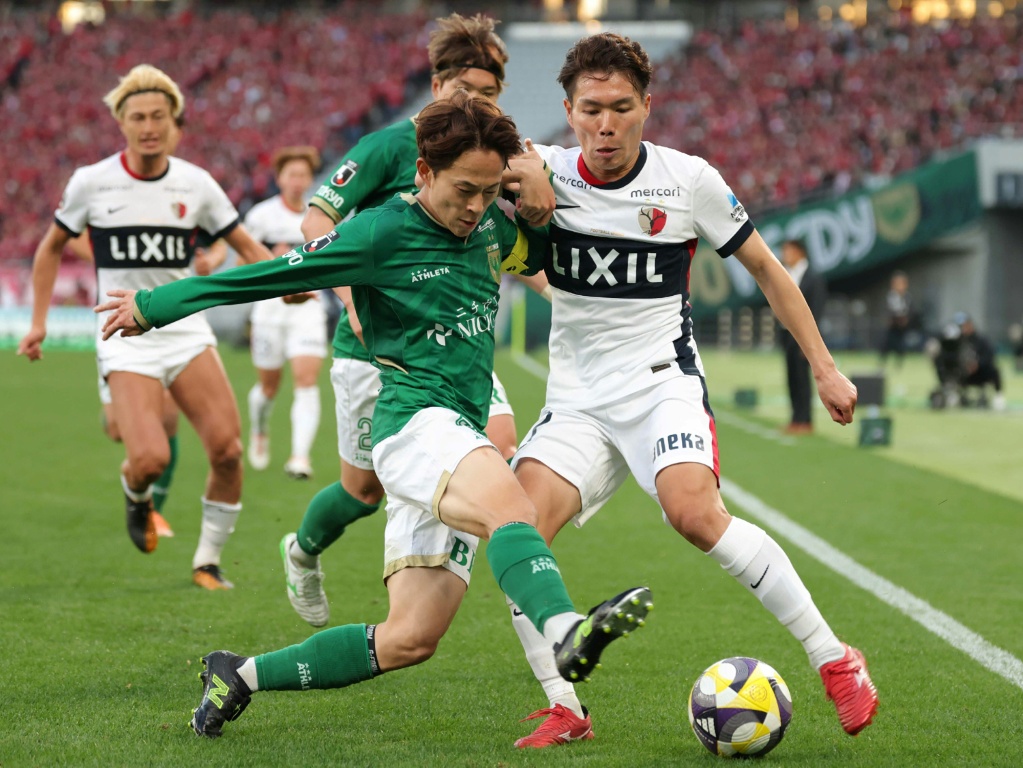
The J. League in Japan could eventually rival Englands Premier League if changing its schedule boosts clubs abilities to secure larger transfer sums, its chairman stated to AFP before the upcoming season.
Japanese sides have consistently exported players to European clubs, such as Brightons Kaoru Mitoma, yet the amounts received pale in comparison to the billions circulating in the international transfer arena.
J. League chairman Yoshikazu Nonomura aims to alter this dynamic and views the shift away from the conventional February to December format as an initial move toward harmony with Europe.
A condensed transitional tournament running through June starts this Friday, followed by the main league phase after the World Cup.
Nonomura is confident this adjustment will enable J. League teams to capitalise on Europes summer transfer booms and close the gap with the elite global competitions.
"Should we excel in business operations, it would not shock me if in 20 years the landscape shifts from the current one, where Europes five major leagues dominate," he remarked.
"We continually build foundations for Japan to integrate into the worldwide market, potentially joining ranks with England, Spain, Germany, and the US."
Mitoma transferred from Kawasaki Frontale to Brighton for a mere £2.5 million in 2021, and his market value surged upon entering the Premier League.
Nonomura argues that the new scheduling allows Japanese teams to insist on fair valuations for their talents.
"To foster awareness of global competition and development, it is crucial to function under identical frameworks, harmonising transfer periods, optimising fees from Europe, and striving to outperform them in matches," he added.
Strategic Influence
An increasing number of Japanese talents are heading to Europe young, opting to hone skills in Belgium, the Netherlands, or Portugal over staying in the J. League.
Nonomura seeks to persuade players of growth opportunities domestically, and he thinks avoiding Japans intense summer heat via the calendar change will aid this.
He anticipates that enhanced income could lure international celebrities to the J. League, which lacks prominent figures since Andres Iniestas departure from Spain in 2023.
"Our goal is to elevate revenue streams to match those of the Premier League, Barcelona, Real Madrid in Spain, and German clubs," Nonomura explained.
"Achieving such financial stature would draw top talents organically."
Launched in 1993, the J. League rose swiftly as Asias premier competition, but its financial muscle has been surpassed by Saudi Arabias influx of European stars.
This has yielded on-field triumphs for the Saudis, including three of last seasons Asian Champions League semi-finalists from their league.
Firm Base
Kawasaki Frontale stood as the sole non-Saudi contender in the previous semifinals and advanced to the final, instilling optimism in Nonomura for Japanese competitiveness across Asia.
"A Japanese club has made the final for three consecutive years, indicating we are far from hopeless in claiming victory," he noted.
"Even maintaining the status quo, our teams possess the calibre to contend, and increased funds would narrow the on-pitch disparities."
Saudi funding has reshaped Asian football, echoing the 2010s Chinese splurge on high profiles.
Figures like Carlos Tevez and Didier Drogba enjoyed profitable runs there, but the bubble burst with club insolvencies amid economic downturns.
Nonomura highlights the J. Leagues reliability as its core asset.
"While Japanese outfits invest less than Saudi counterparts, they maintain robust structures," he said.
"Last seasons overall attendance hit record highs, underscoring that our core strengths surpass other Asian nations, so the J. League faces no risk of downturn."