


Head of Iranian football says nation will go to World Cup but won't play matches in USA
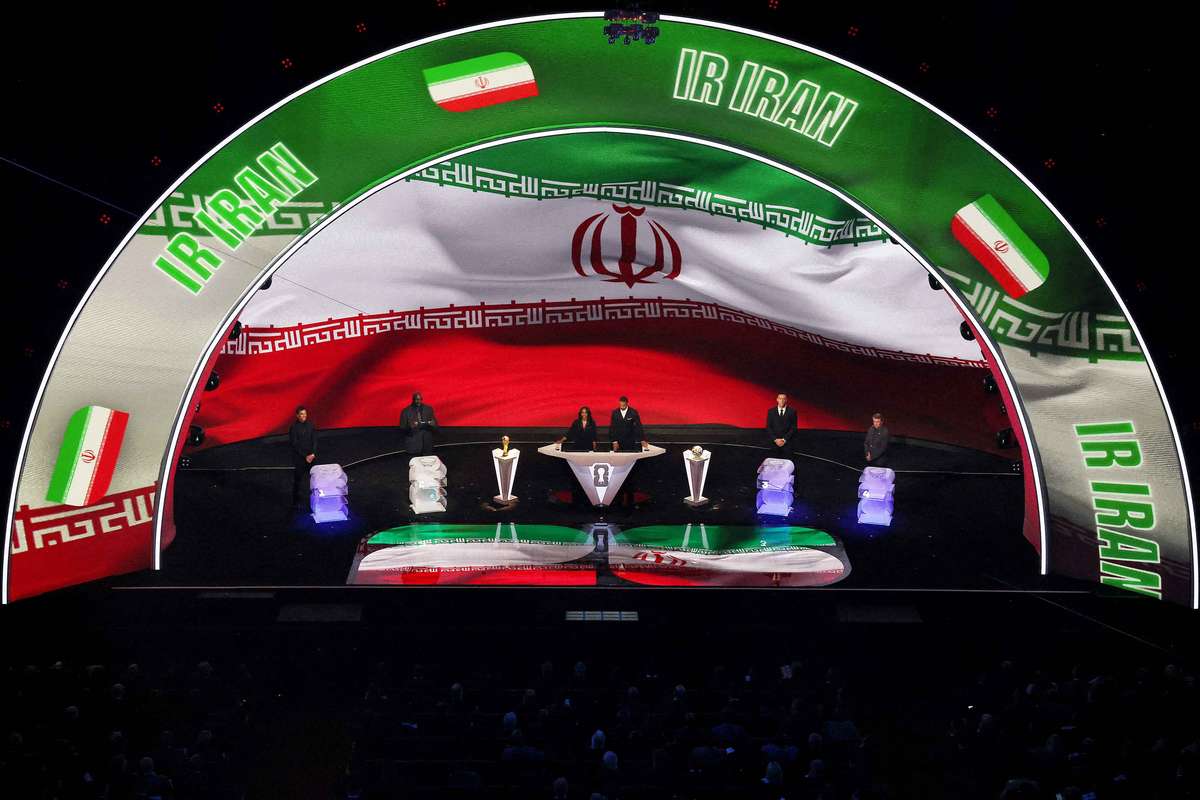
Iran secured one of the earliest spots in the finals, yet their involvement has faced uncertainty ever since the tensions between the Islamic Republic and the United States erupted towards the end of February.
The event is set to unfold from June 11 to July 19, taking place across the United States, Mexico, and Canada.
The Iranian squad, known as Team Melli, is slated to compete in all three of its initial group stage fixtures in the United States, though Taj announced on Monday that the Iranian Football Federation (FFIRI) is in discussions with FIFA to relocate those games to Mexico.
Iran is due to face Nigeria on March 27, followed by a match against Costa Rica four days afterwards, in Antalya, as part of an invitational event involving four teams that was relocated from Jordan due to ongoing issues in the Middle East.
The national team is holding a training camp in Turkey, and we will also play two friendly matches there, FFIRI President Taj stated, according to the Fars News Agency on Wednesday.
We will boycott America, but we will not boycott the World Cup.
Taj made these remarks on Wednesday while greeting the members of the women's national team upon their return to Iran at the border with Turkey, following their extended trip from Australia. The group had been in Australia for the Women's Asian Cup, where the host country offered asylum to the entire delegation over concerns for their wellbeing back home. Although seven initially agreed, only two remained.
On Tuesday, Mexican President Claudia Sheinbaum indicated that her nation would welcome the opportunity to host Iran's World Cup encounters with New Zealand, Belgium, and Egypt in June, although the ultimate decision on changing venues rests with FIFA.
The global football authority noted that it is communicating with the FFIRI but anticipates that all teams will adhere to the match schedule released on 6 December 2025.
Beau Busch, who serves as the Asia-Pacific head for the players union FIFPRO, emphasised that FIFA must prioritise the security of all individuals at the tournament.
FIFA has an institutional responsibility to protect human rights, the Australian remarked to Reuters.
It is essential for FIFA to conduct a thorough human rights impact evaluation, ensuring that every participant, including players and supporters, remains secure, with all potential hazards properly identified and addressed.