


EXCLUSIVE: Cacau shares his journey to playing for Germany and overcoming challenges
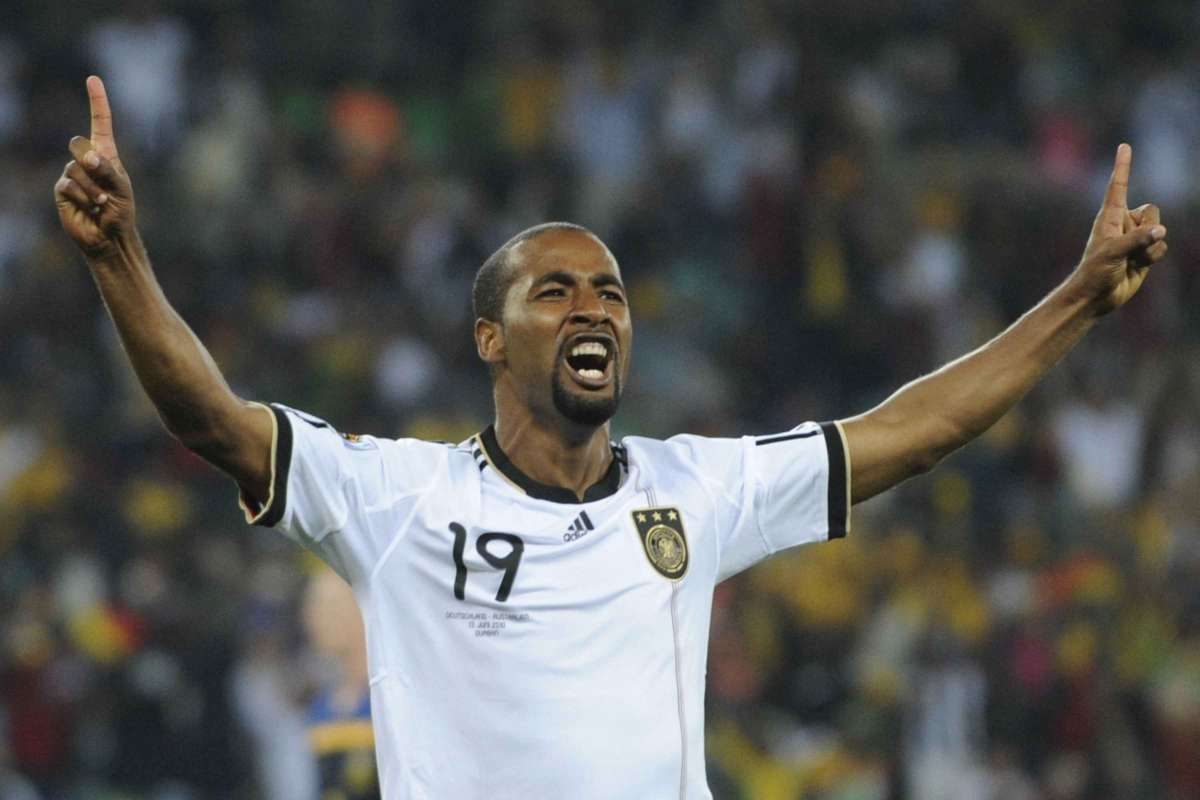
In a special conversation with Flashscore, Cacau opens up about his path to the World Cup, enduring tough times at a fifth-tier club that failed to pay salaries, and cementing his legacy at Stuttgart, where he spent 11 seasons and clinched the Bundesliga title in 2007.
The 45-year-old also reflected on his challenging upbringing and explained why the vuvuzela during the 2010 World Cup posed issues on the field.
Born and raised in Sao Paulo's countryside, you began your football career at Palmeiras. What was it like representing a national team from a country you never envisioned living in as a child?
"It's truly indescribable. Something I couldn't have imagined back then. My journey was different from many Brazilian players who join the Bundesliga directly. After leaving Palmeiras' youth team at 17, I played in Sao Paulo's lower leagues before moving to Germany in 2000.
"I trialed for a fifth-division team, Turkgucu Munich, then progressed to Nuremberg's reserves in the fourth division before breaking into the Bundesliga. At Stuttgart, I won the league and earned a call-up to the German national team.
"Growing up, I was a World Cup enthusiast. I cried when Brazil lost to Argentina in 1990 and celebrated wildly when they won in 1994. Playing in a World Cup, especially after becoming a naturalised German, felt surreal. It wasn't just about being naturalised—I had to prove my quality to represent Germany at such a high level.
"Being part of that historic 2010 World Cup in Africa fills me with immense pride even today.
When Joachim Low called you up for Germany, did you face any internal conflict, or was it an easy choice?
"Naturally, I grew up dreaming of playing for Brazil. But life takes unexpected turns. Before accepting Germany's offer, I wanted to be certain I wouldn't get a chance with Brazil. I reached out to Jorginho, Dunga's assistant at the time, who congratulated me but didn't hint at a Brazilian call-up.
"That sealed my decision. Germany embraced me, and I gave everything for them.
You joined a fifth-division team in Munich. Did you consider quitting when they stopped paying you for seven months?
"Those were incredibly tough times. I earned just 500 marks (about 250 euros) monthly and lived with a friend who supported me. Training in the snow without pay was grueling, but returning to Brazil wasn't an option—I had no future there.
What was your childhood dream when you started playing football?
"To support my family. Giving my mother a better life was my driving force. Success on the pitch was secondary to securing their future.
Did you face hardships growing up?
"Yes, my family struggled financially. My father battled alcoholism, and my mother worked tirelessly as a cleaner. Football became my escape and a way to create opportunities for us.
Playing in Sao Paulo's dangerous neighborhoods, did that prepare you for pressure at venues like Allianz Arena?
"The pressures were different. In the favelas, safety was a concern. In professional stadiums, it was about performance. Those early experiences shaped my resilience.
Do modern Brazilian players struggle with pressure?
"Some lack perspective. Pressure is a privilege—it means you're competing at the highest level. Social media amplifies expectations early, but embracing pressure is part of the game's magic.
What was your most pressurised moment?
"The 2010 World Cup match against Ghana. Germany faced early elimination, and I started after Klose's suspension. The stakes were immense, but I focused on treating it like any other game. Winning under that pressure was transformative.
Was seeing your family at the World Cup as meaningful as scoring?
"Absolutely. From making the squad to scoring and playing through injury, having them there was emotional beyond words.
What stands out from the 2010 World Cup?
"Besides my goal against Australia, the vuvuzelas were unbearable. They drowned out communication on the pitch.
What’s your fondest memory of Stuttgart's 2007 Bundesliga win?
"The comeback against Cottbus and celebrating with 200,000 fans. It was unforgettable.
Is Bayern's dominance harming the Bundesliga?
"Yes, but other clubs must step up. Leverkusen showed it's possible. Artificial measures like salary caps aren't the solution.
Is Germany ready for the upcoming World Cup?
"They're finding their rhythm. With the right setup, they can challenge as dark horses.
Which German player could surprise at the World Cup?
"Lennart Karl. His fearlessness and skill make him a standout.
What was your toughest experience with Felix Magath?
"His grueling training methods pushed us physically and mentally. It was intense but valuable for a year.
Do you hold any affection for Palmeiras?
"Not really. I’m a Corinthians fan at heart.
Did any Palmeiras stars inspire you during your youth?
"Antonio Carlos Zago stood out for his kindness. It taught me the importance of humility in football.