


Disrespect shown? African soccer yields to demands by altering AFCON schedule
The choice made by African soccer leaders to switch the Africa Cup of Nations from every two years to an event occurring once every four years has sparked varied responses across the continent, with certain observers viewing it as merely giving in to demands from European teams and FIFA.
CAF president Patrice Motsepe revealed this significant update after discussions with FIFA officials in Rabat, right before the 2025 event underway in Morocco.
The upcoming Cup of Nations will occur in Kenya, Uganda, and Tanzania in 2027, followed by another in 2028, after which it will follow a four-year pattern.
This represents a major departure from the usual two-year schedule that has been in place since the inaugural tournament in 1957, and the revenue from the Cup of Nations plays a vital role in funding national associations.
In response, a fresh African Nations League, inspired by the UEFA Nations League, is planned to enhance finances. It will run yearly starting in 2029.
Motsepe's statement has stirred debate even among CAF members.
Numerous individuals within African soccer's regulatory organisation feel this adjustment simply fulfils a long-standing wish of European clubs, a stance previously resisted by ex-CAF leaders Issa Hayatou from Cameroon and Ahmad Ahmad from Madagascar.
An insider from the CAF's events division informed AFP that the news caught them off guard.
"Arranging two Africa Cup of Nations events back to back is incredibly challenging, particularly as the 2027 one will happen during the northern hemisphere summer," the insider noted.
Little opportunity exists to conduct qualifying rounds for 2028, and securing a fitting slot in the schedule will prove tough, given that Euro 2028 will command focus in June and July, closely trailed by the Los Angeles Olympics.
Africa deserves respect
The insider recognised that the Cup of Nations ran in successive years during 2012 and 2013, but highlighted: "At that time, it featured just 16 teams rather than 24, and qualifiers relied on direct confrontations, not group formats, making it hard to repeat today."
South African Motsepe admitted that the decision stemmed at least in part from European influence, where countless African talents compete.
Prominent European clubs have frequently voiced frustration over needing to let African players go every two years amid their domestic campaigns to join the Cup of Nations.
"Scheduling is not the main issue and it will not alter African soccer's quality or its role in Europe through supplying numerous skilled athletes," countered Tunisia manager Sami Trabelsi.
Meanwhile, Mali's Belgian manager Tom Saintfiet described the shift as "unusual", stressing that "Africa deserves respect".
Greater appeal?
Paul Put, a seasoned Belgian manager leading Uganda at the current AFCON, observed that African soccer faces constraints from FIFA's push to enlarge various events.
"I truly fail to grasp CAF's choice, and we are sadly dissatisfied. That is my first impression. Maybe the issue relates to the World Cup and the Club World Cup," he remarked.
Teams like his will now face reduced chances to shine continentally, while Morocco's manager Walid Regragui identifies both upsides and downsides.
"Running it biennially aided many sides in growing and advancing, and securing victory will become tougher now," he explained.
"Soccer evolves. I do not fully endorse the alterations, but adaptation is necessary.
"I believe this event rivals the Euros in strength. Over the coming 15 to 20 years, it will draw even larger audiences, and an AFCON every four years will turn into a must-see spectacle."
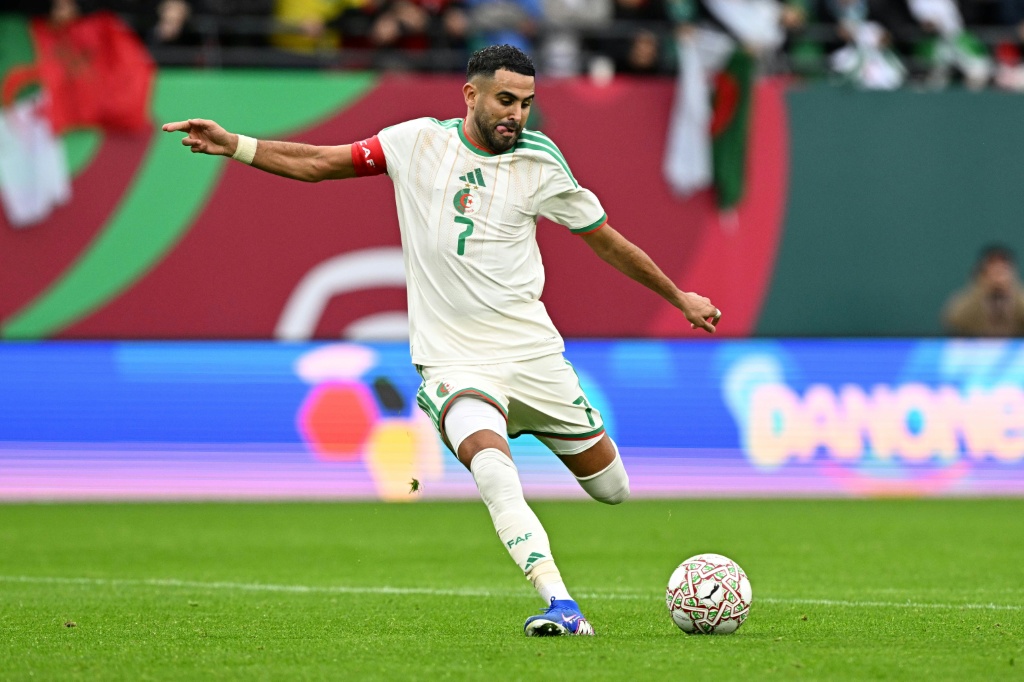
"I feel it will enhance the event's appeal," affirmed Algeria skipper Riyad Mahrez, who is on his sixth AFCON appearance.
"Fewer players will boast participation in multiple editions."