


Dark horses Switzerland no longer haunted by cultural divisions within squad, says expert
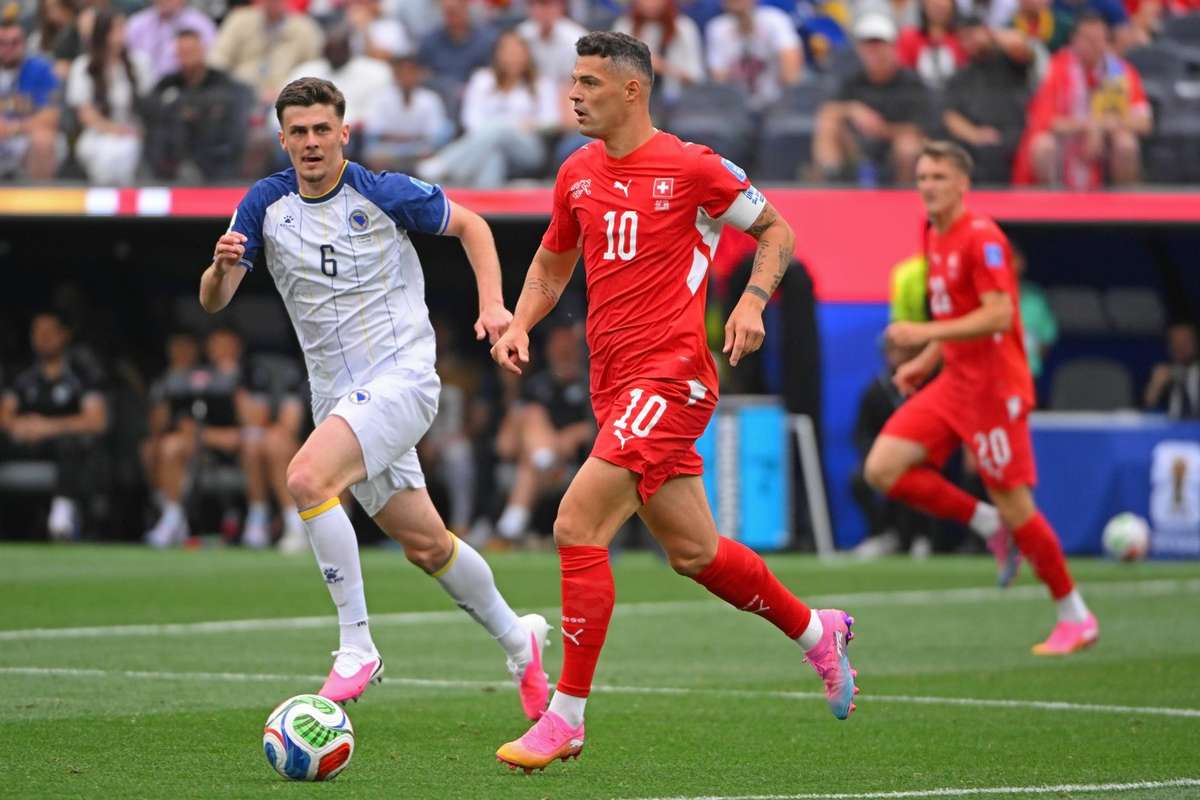
To find tactical common ground before a vital fixture, World Cup squads can encounter various obstacles, but when you have to blend three or more cultural backgrounds into that mix, dressing room unrest can be lurking right around the corner. This was Switzerland's dilemma for a number of years in their quest to achieve the highest honours in sport.
Switzerland has four national languages: German (spoken by about 63% of the population), French (23%), Italian (8%), and Romansh (0.5%), which is not an official language (apart from in the canton of Graubunden). The country blends German, French, and Italian cultures by keeping them distinct in clearly defined regions, but when you try to blend those cultures into a single unity, like in team sports, problems can arise, and this has previously haunted the performances of the national football team, or the Nati, as it is referred to in the Alp nation.
"Earlier French, German and Italian players would not be ready to move out of their regions but rather stick to the clubs based in their region, and then when they assembled in the national team there could squabbles within the dressing room and perhaps a player from the German region would not pass the ball to a player from French region" says Florian Raz who says Switzerland at the World Cup in 2018 were also haunted by divisions between native Swiss players and players with an Albanian background.
The ethnic Albanian background of several key players created complex political and social challenges for the Swiss national football team, primarily centred around geopolitical tensions, national identity debates, and dual-loyalty controversies.
"It was mostly related to the game against Serbia, where Granit Xhaka and Xherdan Shaqiri (both of whom have Kosovar-Albanian heritage) celebrated their goals by making the controversial two-handed "double-eagle" gesture. Suddenly, everything was suddenly not focused around sport but politics and that caused a lot of unrest around the squad" says Raz who underlines that Switzerland today have moved on from the cultural tensions.
"Cultural squabbles are a thing of the past. This generation doesn't have those problems. We have players in the squad now also with an African background, like Manuel Akanji, Breel Embolo, and Dan Ndoye. The world is more diverse and multicultural now, and the squad is led by a strong captain, so there are no problems," says Raz.
Through the last decade, Switzerland have taken big strides, improving their FIFA ranking and recording impressive results on the way, like their win against France in the Round of 16 at EURO 2024. They also qualified for the 2026 FIFA World Cup in dominant fashion, finishing unbeaten at the top of UEFA Qualifying Group B with 14 points.
Consequently, they arrived at the World Cup with plenty of confidence but were disappointed by the draw against Qatar before they settled into their usual stylish stride with a 4-1 win against Bosnia Herzegovina.
"The team put a lot of pressure on themselves by claiming before the tournament that they should get at least seven points from this group. Of course, the 1-1 draw against Qatar was a huge disappointment, but against Bosnia & Herzegovina, you could see that the players were there mentally again; they wanted revenge, and the hunger was there", says Raz, who feels that the team have the capacity to go far in the tournament even though there are certainly also weaknesses within the squad.
"It's obvious that our preferred wing-backs (Silvan Widmer and Ricardo Rodriguez, both 33 years old) have no speed, and so we look very vulnerable in transition. And of course, we are likely to be exposed when we go up against some of the more established football nations. But I wrote before the tournament that this team could reach the semi-final, and I am still confident that this is possible. We have players like Xhaka and Rodriguez who have now played four World Cups together, and a good mix of youth and experience.
"The players are confident that they will beat Canada; the biggest topic in Switzerland has been whether Johan Manzambi should play from the start (came on as a substitute against Bosnia Herzegovina and scored twice)", ends Raz.
Switzerland will face Canada at 21.00 CET tonight in Vancouver.