


COLUMN: Ricardo Costa on the impressive tactics of the underdogs at the World Cup
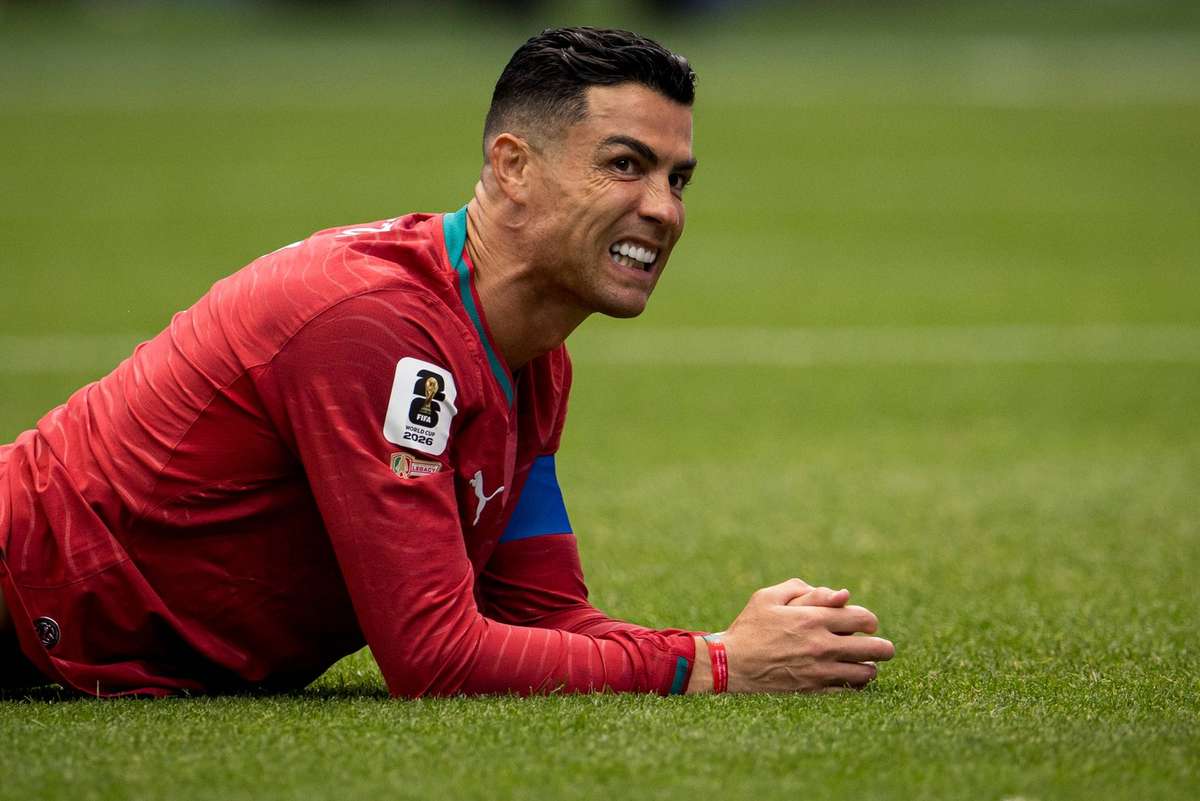
In this opening phase of the World Cup, several teams have chosen a more defensive strategy. When they sense the opponent is slightly superior, they set up with a low block to close off the central areas, aiming for numerical superiority in the last defensive line, usually with five players at the back and a line of three midfielders, leaving two men up front to press. The goal is to win the ball and launch quick transitions.
Weaker teams drop deep so that, after regaining possession, they can try to cause damage to the opposition on the break.
Meanwhile, some of the stronger teams (Portugal and Spain, for example), who are more comfortable in possession and favour offensive organisation, have been making a lot of passes but are struggling to register a significant number of shots on target.
The strategy used by teams with fewer technical and tactical resources has caused some headaches for top sides like the Iberians. Betting on transitions and aggressive defending in the final third allows them to look for quick counterattacks to score, or alternatively, to create chances from set pieces.
While this tactical approach deserves the most attention for now, there are other individual and collective notes worth mentioning.
Among the players, the confirmation - unsurprisingly - of Lionel Messi, as the leader of the Argentina national team, both on and off the pitch.
Jude Bellingham looks set to have a much better World Cup than his rather lacklustre season at Real Madrid.
Michael Olise could become the standout figure for the French side, freeing up Kylian Mbappe to focus solely and decisively on scoring goals.
Luis Diaz is showing he can raise his game from very good to excellent, building on his season at Bayern Munich and driving a Colombian team full of talent.
Joao Neves was one of the few Portuguese players to show his quality in the match against D.R. Congo. He maintained the high tempo he’s known for in world football, defending, attacking, and even scoring.
Special mention also for young Ayyoub Bouaddi, who is still in the middle of good and very good, but his performance was of high quality, as was the collective display of his Morocco team - one of the best in this early stage of the competition, joining Argentina, England, and France.